
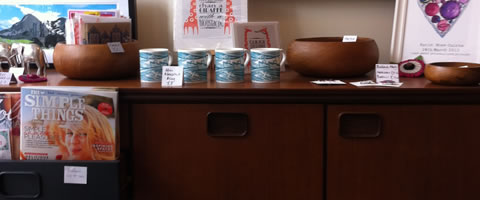
We sell, design, remake, promote, communicate, share and teach.
Frugal Cool began at the local primary school gate in the autumn of 2008. For a couple of years previously, creative neighbours and friends made fabulous jewellery, home accessories, bags – all small works of art and beautifully made. Most importantly, their work was made reusing textiles and trinkets.
The simple idea behind Frugal Cool was to promote this creativity and craftsmanship ethically. Our tagline was Local Sustainable Design. It still is.
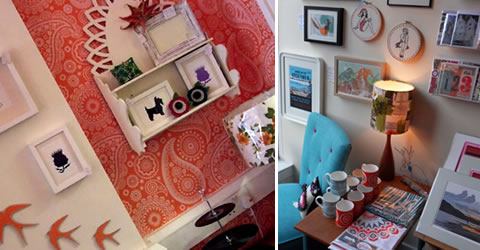
Most products we’ve sold online, at markets and in our ReMade shop in Musselburgh, have been made from something else. Something old and a bit tatty, discarded then found by us. New materials are natural, organic, recycled or fairly traded. We always question where things come from, and how they’re made. And we love vintage, and have focussed on mid-century modern style.
History
 Christmas 2008 – First market at Queen Margaret University
2009 and 2010 – Eco Markets at Loretto Gallery
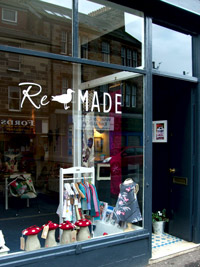
September 2010 – Frugal Cool’s ReMade shop opens
In June 2011, Remade Home took place over four sunny days in Musselburgh’s erstwhile secret glory, Loretto Gallery. We mixed vintage treasures with contemporary eco design, remade accessories with upcycled furniture. 26 designers. 700 visitors. £3000 in sales.
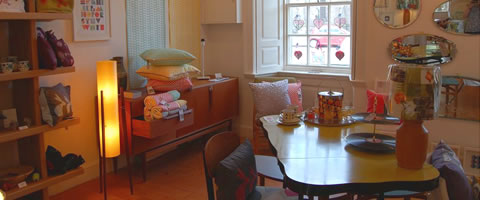
In 2013, we closed our ReMade shop after three great years to concentrate on other projects, whilst developing new remade collections.
In this new decade, we will strive to live sustainably and promote inspirational and natural style for the modern 2020s home. We’ll be investigating eco-friendly materials and ingredients, working with secondhand and found objects to create practical and beautiful things.
Our Commitment
Frugal Cool loves environmentally responsible design. It’s not just about keeping the eco footprint low, it’s about the ingenuity and creative invention required to remake things into beautiful and desirable objects.
When you buy Frugal Cool furniture, for instance, you can be confident that we,
• reuse discarded objects or materials to create products of higher quality or value than the original
• support the designers’ community through learning, collaboration and opportunity
• encourage buying decisions that consider the environment, limit waste and support the local community
• talk about green issues and local sustainability
• ensure our products and marketing activities have a low environmental impact and respect workers across the world.
 Frugal Cool